


Description
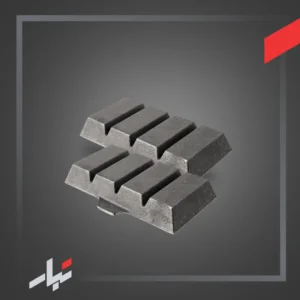
Gray cast iron is an alloy consisting of iron, carbon (2.5% – 4.7%), and silicon (1% – 3%) in a bundled form of three. The high percentage of carbon and silicon in gray cast iron results in the high fluidity of this iron alloy and ultimately gives it excellent castability. This characteristic has allowed gray cast iron to hold more than 75% of the casting industry. The fracture surface of this iron alloy is gray due to the presence of graphite, which is why it is named gray cast iron.
The physical and chemical properties of gray cast iron depend on the size, shape, dispersion, and amount of graphite present in it. Changes in solidification rate, melting variations, and nucleation can lead to the formation of coarse or fine flaky graphite in the alloy. The flake graphite gives rise to special properties such as excellent machinability, high wear resistance, limited corrosive wear resistance with lubrication, and great vibration absorption capability.
Characteristics of Gray Cast Iron:
- Increased castability (high fluidity) due to the presence of carbon and silicon
- Wear resistance (due to flake graphite)
- Impact resistance
- Corrosion resistance
- Very good machinability
- Malleability
- High compressive strength
- Suitable heat transfer
- Cost-effectiveness
Applications of Gray Cast Iron:
- Manufacturing of engine blocks, various cylinders, manifolds, and raw gears
- Production of bearings, and various cast iron bushings
- Creation of complex sections, thin profiles, and items of various small and large dimensions
- Fabrication of stove parts and cast iron fittings
- Marine industries
- Construction of metal structures such as bridges and buildings
- Production of tools such as gardening tools and machine components


Reviews
There are no reviews yet.